
-

Try advanced features for free
Get Smarter responses, upload files, create images, and more by logging in.
Log In Sign up & Earn $5

AI Data Security Threats Every Company Should Know
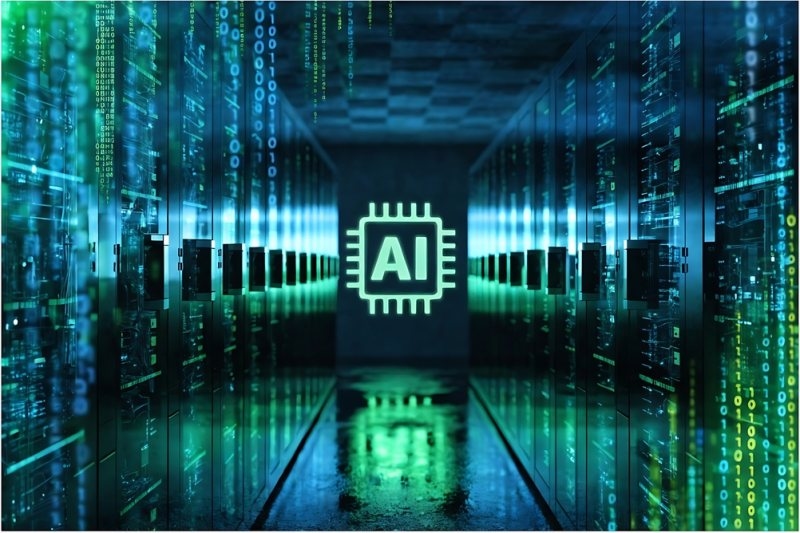
AI is now part of everyday business. Companies use it for sorting data, answering customer questions, spotting fraud, marketing better, or even speeding up reports. It's all pretty useful. Still, there's a catch that too many people ignore: the more your AI handles, the more risk you invite in. Some companies race ahead, plug in new AI tools, and skip basic security checks-only to learn the hard way that their customer data got exposed or systems got hijacked. Issues usually creep in quietly, then hit all at once.
This blog dives into the big AI data security threats every business should watch for-and why guarding business information matters more than ever.
Understanding AI Data Security and Business Risks
Before discussing threats, it helps to understand AI data security and why businesses keep talking about it lately. Put simply, AI data security refers to the safeguarding of information that is utilized, handled, or stored by AI systems. That means customer data, internal records, payment information, employee records, and business intelligence.
A weak setup results in openings. AI tools handle vast quantities of data, which sometimes is more than what teams can keep track of. If security is loose, sensitive information may leak, be stolen, or be altered without warning.
What is AI Data Security in Simple Terms
Many people ask What is AI data security because the term sounds technical. It really is not complicated. Think of it as safety rules for AI systems. These rules help stop unauthorized access, misuse of private information, data theft, plus manipulation of machine learning systems.
A business using AI without protection is a bit like leaving office files unlocked overnight. Maybe nothing happens. Maybe everything changes in one bad moment.
Why is AI Data Security Important for Modern Companies
A fair question businesses ask is Why is AI data security important today compared to a few years ago. The answer is simple - companies rely on data more than ever. AI systems make decisions based on the information they collect. If the data becomes corrupted or exposed, decisions become unreliable, too. Customer trust also disappears quickly.
One leak hurts everything:
- Customer trust
- Company reputation
- Legal compliance
- Financial health
The fallout sticks around. Fixing things costs money, eats up time, and can cost you clients, too.
Also Read: How AI Browsers Improve the Way People Search Online?
Common AI Security Risks That Companies Ignore

Many businesses assume cyberattacks only target giant corporations. Not true. Smaller firms get hit because attackers expect weaker systems. Several AI Security Risks are often overlooked simply because they are not obvious at first.
Data Poisoning Can Corrupt AI Systems
Bad or manipulated information entering the AI model when training is occurring is known as Data Poisoning. Yes, the system is identifying incorrect patterns and beginning to make bad decisions.
Think of altering data to feed into a fraud-detection tool. Think of corrupted data being used to train a fraud detection tool. It may fail to detect suspicious transactions - or block genuine customers instead. Either way, the business suffers.
Sensitive Business Data Can Leak Through AI Tools
One risk that can arise is employees uploading internal documents to AI without being aware, which can cause the platform to access the information. Contracts and customer spreadsheet, financial reports - now external systems are handling private information.
That's a significant AI Data Privacy worry. Once sensitive material is taken out of the company systems, it is harder to control. Businesses might not even be aware of where that information goes or for how long it remains stored.
Deepfake Threats are Growing Faster
Fake audio/Video files are becoming more realistic with the help of AI. Executives or managers are now being mimicked by criminals and now use fake voices. A fake call requesting urgent payment. A realistic video message approving fund transfers. It sounds dramatic, but companies have already lost money through these tricks.
And employees under pressure often react fast without double-checking.
AI Data Privacy Problems Companies Cannot Ignore
Businesses collecting customer information carry responsibility. Strong AI Data Privacy practices matter because people expect their information to stay protected.
AI Systems Often Collect More Data Than Needed
Many AI tools collect too much data, since usually, the more data you have, the better you'll perform. However, when deriving unnecessary information, there are additional risks.
A company may only need customer names and emails. Instead, systems pull browsing patterns, locations, buying habits, plus personal preferences.
Poor Access Controls Increase Risk
Not everyone inside a company should access everything. Yet weak permissions remain common. Sometimes, all that's done because it's inconvenient to give the employee limited access to the sensitive systems.
That shortcut with its problems comes and goes. Access to a single compromised account may lead to the disclosure of sensitive data. Internal mistakes happen too - not every threat comes from outsiders.
Don't Miss: Is Deep Research AI Better Than Standard Chatbots?
How Companies Can Reduce AI Security Risks
Avoiding AI Security Risks does not mean abandoning artificial intelligence. Businesses simply need smarter rules. Security works better when prevention starts early instead of after damage appears.
Many businesses rush into AI with no guidelines. Employees guess what is acceptable. That approach rarely ends well.
Here's what every company needs to get clear on:
- Which AI tools can employees use
- What types of information can they upload
- Privacy rules for customer data
- How to report suspicious stuff
When rules are clear, mistakes drop. Unclear rules are behind most slip-ups.
Essential Read: How Perplex GPTs Harmonize Your Digital Experience
Conclusion
AI helps businesses move faster and work smarter, no doubt. But it also opens doors for abuse, data leaks, and privacy messes. Companies that ignore this usually wake up to the problem too late. Strong AI security isn't just a smart idea-it's non-negotiable now. It protects trust, your operations, and long-term growth. You don't have to do everything at once; start small. Set policies, train your team, and keep an eye on your systems.
If you're looking for faster AI-powered search and research help, check out perplex.com for quick AI chat solutions.
FAQs
Can small businesses face AI security problems?
Definitely, in fact, small businesses often have it tougher than big companies. Their systems aren't as strong, and they don't check for problems as often. Hackers get this-they know small companies can be easier targets.
How often should companies review AI security policies?
Every few months at least-or whenever you roll out new AI tools. The tech world moves fast. Policies can get old before you realize it, and what worked last quarter might not cut it now.
Can employees accidentally cause AI data leaks?
Yes, this happens all the time. Most leaks aren't on purpose-people might upload confidential stuff into apps nobody approved, or they might share details without realizing what they're exposing. It's usually an accident, but the damage is still real.
Does using AI automatically mean data is unsafe?
No, just running AI doesn't put your data at risk. The problems show up when companies skip basic security steps: sloppy passwords, ignoring updates, or letting teams use tools with no guidelines. Get these basics right, and you're in a much better spot.
Recommended Articles
AI Forecasting in 2026: How Sm...
Using outdated manual spreadsheets to plan the financial future of your compa...
Read More
Why Perplex is the Secret Weap...
Most people still treat prompt engineering like guesswork. You t...
Read More

What can I help you with?
Unlock more with PerplexPlus
PerplexPlus gives you higher limits, smarter models, and more.