
-

Try advanced features for free
Get Smarter responses, upload files, create images, and more by logging in.
Log In Sign up & Earn $5

Conversational AI Trends and Innovations to Watch in 2026
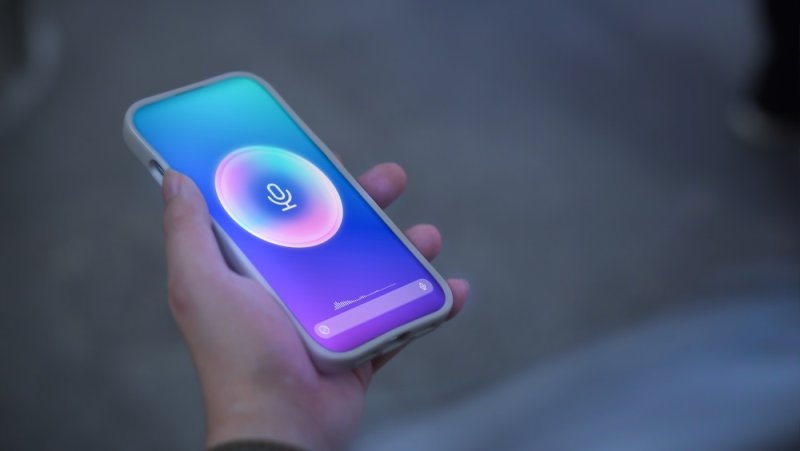
Just a few years back, talking to most AI felt like chatting with a robot stuck on a script. You'd ask something simple, and it would spit out a stiff answer. That's really changing now. In 2026, you notice the difference right away-AI remembers things, responds at the right moment, and doesn't trip over as often. It's not flawless, and yeah, it still gets weird sometimes, but conversations feel a lot more natural.
Businesses are diving into voice tech, rolling out support for tons of languages, teaching systems to pick up on emotions, and speeding up automation. People expect companies to reply right away, anytime, and sound enough like a real person that you don't spot the automation instantly. That pressure is pushing companies to rethink their whole digital playbook.
In this blog, we'll break down the big Conversational AI trends for 2026, how brands are making chats with AI smarter and smoother, where AI still falls short, and what this all means for the future.
The Future of Conversational AI Looks More Personal
The chatbot technology isn't restricted to the capability of providing better responses. It's becoming more context-aware. Systems now remember past interactions, preferences, tone patterns, and even buying behavior across channels. That changes the experience completely.
A customer might start a support request on a website, continue it through WhatsApp, then finish by voice call. The AI tracks the conversation without forcing users to repeat themselves again and again. Less irritation. Faster resolution.
Some platforms are also building "adaptive conversations." The AI changes tone depending on urgency or mood. A frustrated customer gets shorter direct replies. Someone browsing casually gets slower, more conversational engagement. Slight changes - big impact.
AI-Powered Customer Interactions are Becoming More Human
Older voice bots struggled with accents, interruptions, and background noise. The understanding of basic words spoken was not easy for them when speaking to people. Speech systems will continue to improve throughout 2026 with system models processing language in context as opposed to individual command-type processing.
By that, we don't just mean artificial ones. AI no longer rushes through responses in a flat robotic tone every time. Some systems even detect hesitation and clarify before giving wrong answers. Small detail, but useful.
Industries like banking, telecom, healthcare, and retail are investing heavily here because phone support costs remain high. Voice automation cuts wait times while handling routine requests faster than large call center teams.
Don't Miss: How AI Browsers Improve the Way People Search Online?
Businesses Want Faster Customer Resolution
Speed still drives most adoption. Companies care about cost reduction, yes - but they also know customers leave after bad service. Long queues hurt revenue.
Customer interactions in today's world are centered around providing solutions to problems, rather than shuffling customers between departments. AI can access order histories, payment records, and existing complaints and provide replies in an instant.
Other brands are also combining human workers with AI technology, rather than using AI to take the place of their staff. The AI gets routine cases, and the humans get complicated/emotional ones. That hybrid setup works better than full automation in many situations.
Conversational AI Trends are Expanding Across Industries

Customer service remains the biggest use case, though conversational AI trends are spreading much wider now. AI shopping assistants suggest products based on the analysis of shopping habits by retail brands. Hospitals are automating appointment scheduling plus follow-up reminders. Travel companies handle booking changes through chat instead of support lines.
Education is changing, too. AI tutors answer student questions 24/7. Sometimes messy answers still happen, but response quality is improving faster than expected.
So who's using this tech most? Here's the shortlist:
- Retail and e-commerce lean hard on chatbots for shopping help, returns, tracking orders, and suggesting products.
- Shoppers these days want updates that are instant. Even small delays feel ancient.
- The use of AI is having a positive impact on scheduling, medication reminders, and overall guidance for patients in the healthcare industry. Doctors still do the real diagnosing.
- Banks automate things like balance checks, flagging fraud, blocking cards, and helping with payments-all through secure chats.
Bottom line: companies want to move faster, and customers want things done with less fuss.
Suggested Reading: How AI in Content Marketing Helps Drive Better Engagement?
Multilingual AI is Becoming a Major Priority
English-only support is no longer enough for global brands. Businesses now serve customers across apps, countries, and regions - often at the same time. Conversational systems are adapting by supporting real-time multilingual communication.
Now it is about localization and not only translation. AI needs to be able to deal with slang, casual grammar, contractions, fragments, and multi-language conversations-particularly in India, where people will constantly switch between Hindi and English.
Some AI models are becoming better at this code-switching behavior. Still imperfect though. Cultural tone mistakes continue happening, especially in sensitive support cases.
Emotional Intelligence is Slowly Entering AI Systems
Emotion detection sounded gimmicky a few years back. Now companies are testing it seriously. Certain systems analyze typing speed, sentence structure, pauses, or vocal stress patterns to estimate customer mood. The AI then adjusts replies automatically. A frustrated customer may get priority escalation, while a calmer interaction stays automated.
This doesn't mean AI "understands feelings" as humans do. Not even close. But it can detect patterns linked to emotion. And businesses care because angry customers abandon brands fast. Especially online.
Also Read: Is Deep Research AI Better Than Standard Chatbots?
Conclusion
By now, Conversational AI isn't some half-baked experiment. Its infrastructure is part of daily operations. Faster responses, more languages, voices that don't sound so robotic, even picking up on your mood-these upgrades are moving us closer to smooth, lifelike conversations.
Of course, the tech hits snags. AI gets things wrong, skips over important context, or sounds way too sure of itself when it's off the mark. People still need to keep an eye on it. Honestly, humans will probably play this role for longer than the experts guessed.
Check out the latest in AI Chat Search with perplex.com with fresh tools, smart features, new trends, and real-world ways companies are using intelligent search.
FAQs
How Conversational AI Is Revolutionizing Customer Service?
It's cutting wait times, handling the basic stuff fast, and working around the clock, so you get help whenever you want-no more long holds. Companies save on staffing, too.
Which industries get the most out of Conversational AI?
Think retail, banking, healthcare, telecom, travel, and ecommerce. They deal with endless questions every day. Automating those means agents aren't buried, and customers get what they need faster.
Will Conversational AI replace call center workers?
Not totally. AI's great with simple, repetitive stuff, but people still handle the tough calls-emotional issues, weird problems, important decisions. More than 90% of companies are leveraging AI to support and augment the human team.
What is the significance of multilingualism in AI?
Where you may have to serve an international clientele, not everyone speaks the same language. Multilingual AI fosters seamless interactions, prevents misunderstandings, and keeps customers happier.
Recommended Articles
How AI Browsers Improve the Wa...
Online search behavior is already beginning to change. Sneakily, almost steal...
Read More
AI for SEO Tactics to Boost Tr...
Search is changing fast. Google updates roll out quietly, AI sum...
Read More

What can I help you with?
Unlock more with PerplexPlus
PerplexPlus gives you higher limits, smarter models, and more.